
EXECUTIVE GOLF - GAIN YOUR ADVANTAGE ON & OFF THE GOLF COURSE
THE SECRETS
How the Executive Golfer Can Gain a Competitive Advantage On & Off the Course?


Learning to improve golf skills while playing with better golfers can be a challenging but rewarding experience for corporate executives. Here are some strategies to help overcome this hurdle:
1. Embrace the Learning Opportunity: Playing with better golfers provides a valuable learning opportunity. Instead of feeling intimidated, embrace the chance to observe their techniques, strategies, and mindset. Pay attention to their approach to each shot, course management decisions, and pre-shot routines. Adopting a curious and open mindset can help you absorb insights and tips that can improve your own game.
2. Set Realistic Expectations: Understand that you may not match the skill level of better golfers right away. Set realistic expectations for yourself and focus on incremental improvement rather than comparing your performance to theirs. Celebrate small victories and improvements in your game, whether it’s hitting a straighter drive or sinking more putts.
3. Learn from Their Feedback: Better golfers may offer constructive feedback or advice during the round. Listen attentively to their suggestions and insights, even if they are delivered casually. Incorporate their feedback into your practice sessions and on-course play to refine your skills and techniques.
4. Focus on Your Game: While playing with better golfers, it’s essential to focus on your own game and goals. Avoid getting too distracted by their performance or feeling pressured to match their level of play. Stay committed to your pre-shot routine, course management strategy, and executing your shots to the best of your ability.
5. Ask Questions and Seek Guidance: Don’t hesitate to ask better golfers for advice or clarification on specific aspects of the game. Whether it’s seeking tips on improving your swing, reading greens, or managing course hazards, most golfers are willing to share their knowledge and expertise. Asking questions demonstrates your willingness to learn and can deepen your understanding of the game.
6. Stay Positive and Patient: Maintaining a positive attitude and patience is key when learning from better golfers. Understand that progress takes time and that setbacks are a natural part of the learning process. Approach each round with a growth mindset, focusing on continuous improvement and enjoying the game regardless of the outcome.
7. Practice Regularly: Dedicate time to practice outside of playing rounds with better golfers. Work on specific aspects of your game, such as putting, chipping, or driving, to build confidence and consistency. Utilise practice facilities, take lessons from a qualified instructor, and incorporate drills into your practice routine to reinforce fundamental skills.
By approaching playing with better golfers as a learning opportunity, setting realistic expectations, focusing on your own game, seeking feedback, staying positive and patient, and dedicating time to practice, corporate executives can overcome the challenge and improve their golf skills over time. Remember, every round is an opportunity to learn and grow as a golfer and who knows what that can lead to back in the office or boardroom?





OWN THE GREENS - WHY PUTTING IS GOLF’S MOST IMPORTANT AREA OF GOLF TO IMPROVE
THE SECRETS
Own the Greens: Why Putting Is Golf’s Most Important Area to Improve
1.Scoring:
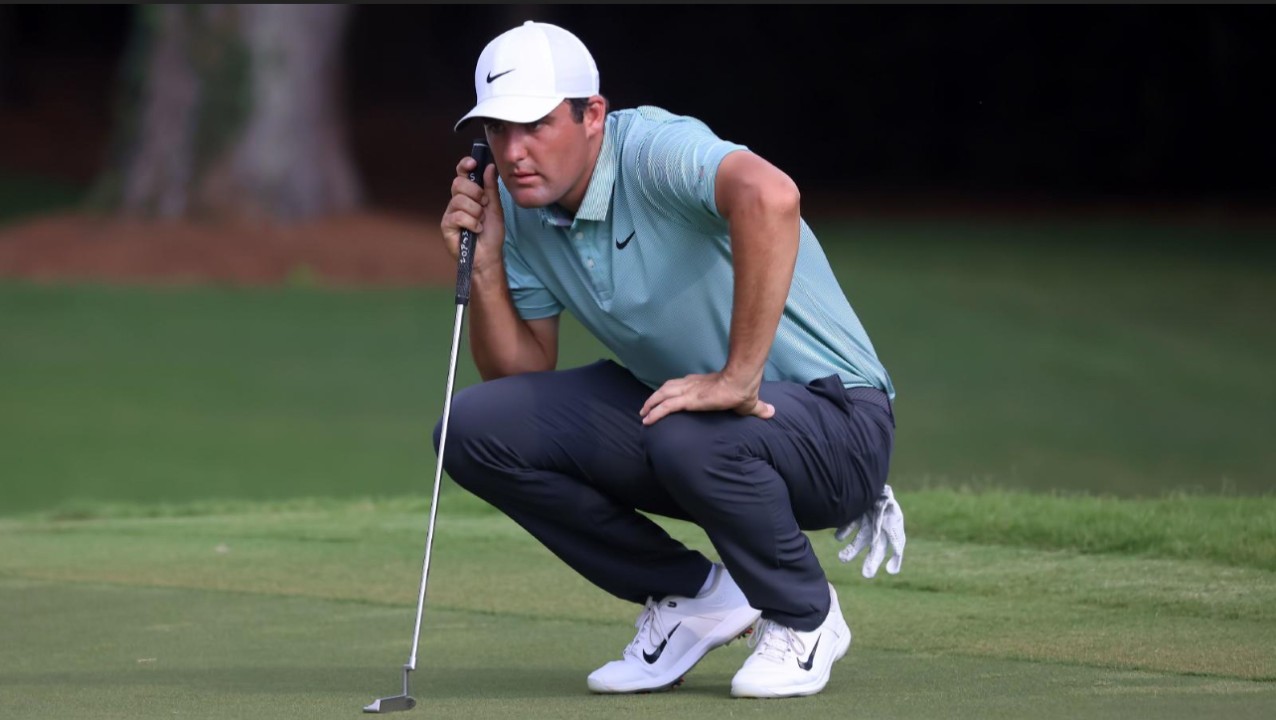
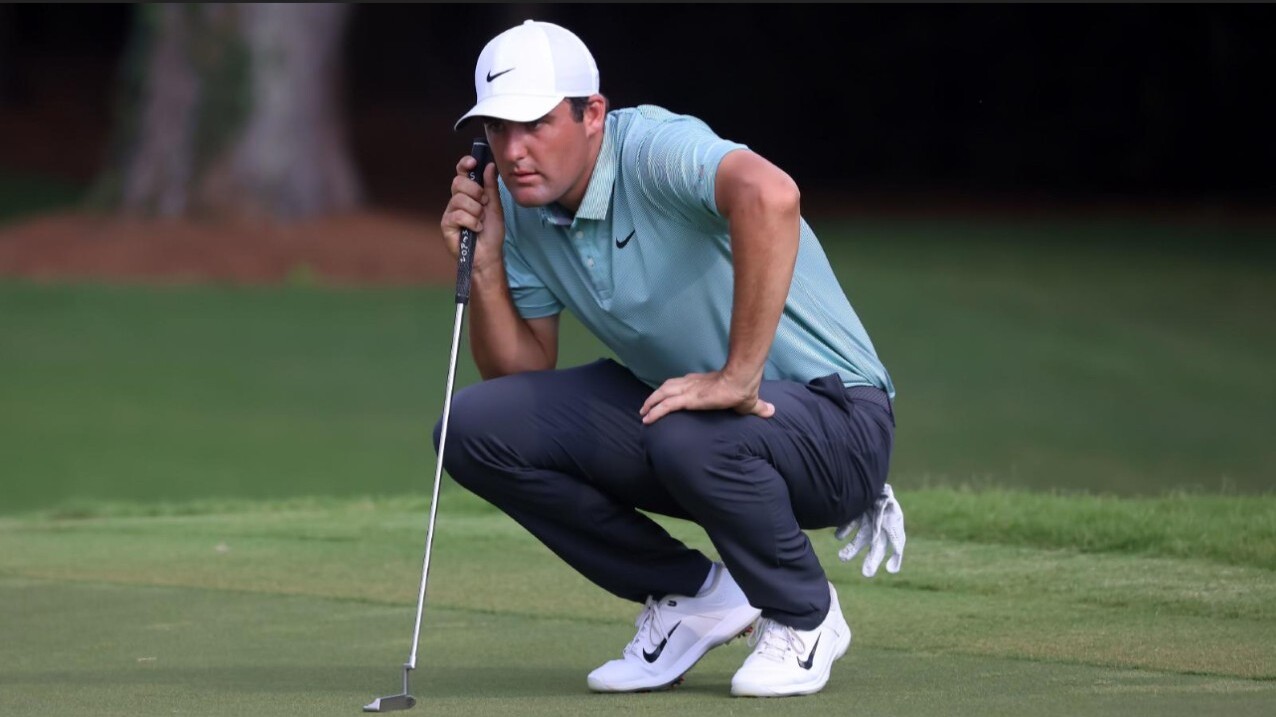
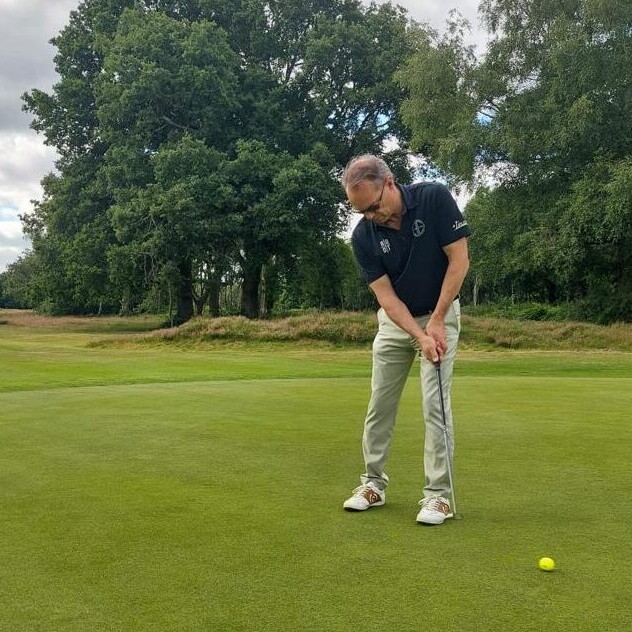
Putting directly impacts your score more than any other aspect of the game. Think about it: while a poor drive might cost you a stroke, a missed putt could easily add two or more strokes to your scorecard. In fact, it’s not uncommon for professional golfers to say that tournaments are won or lost on the putting green. Look at Scottie Scheffler’s recent resurgence with back to back wins, (March 2024) following dramatic improvements to his putting on the greens.
2. Frequency:
Putts make up a significant portion of every round of golf. Even if you’re driving the ball well, you’re still going to spend a substantial amount of time putting, (approximately 40% of all shots are on the green). With multiple putts on each hole, the opportunities to save strokes and lower your score are abundant.
3. Mental Aspect:
Putting requires focus, concentration, and mental fortitude. Unlike hitting a drive or approach shot, where you can rely on physical strength and technique, putting demands a different kind of skill set – one that involves reading greens, visualising the line, and staying calm under pressure. Improving your putting can, therefore, enhance your overall mental game, leading to better performance throughout your round.
4. Level Playing Field:
Putting is often referred to as the great equaliser in golf. Regardless of your age, strength, or physical abilities, anyone can become a proficient putter with sound technique and practice. Unlike driving distance, which is influenced by factors like age and athleticism, putting prowess is accessible to players of all levels.
5. Short Game Mastery:
Mastering putting is a cornerstone of a strong short game. While chipping and pitching are vitally important skills to have around the green, the ability to sink putts consistently can often mitigate the need for those shots altogether. A solid putting game gives you confidence to play aggressively, knowing that you can recover from tricky situations with ease.
6. Consistency:
Putting is all about consistency. Unlike other aspects of golf that may require constant adjustments based on course conditions or swing mechanics, putting relies on developing a repeatable stroke and routine. By honing your putting technique and practicing regularly, you can achieve a level of consistency that translates to lower scores and more enjoyable rounds.
In conclusion, while driving distance and ball-striking get a lot of attention in the golf world, it’s the ability to putt effectively that truly separates the good players from the great ones (and how recreational golfers can compete with the best players in the club). By prioritising putting practice and focusing on improving your skills on the green, you’ll not only see lower scores but also gain a deeper appreciation for the mental and strategic aspects of the game. So, the next time you hit the practice green, remember; the shortest distance between you and a lower handicap is mastering the Art of Putting.
Let me know if you’d like me to help you ‘Own the Greens’ and improve your skills ‘On and Around the Greens’ this season..?



MASTERING THE SHORT GAME - THE KEY TO GOLFING SUCCESS
THE SECRETS
MASTERING THE SHORT GAME: A MAJOR KEY TO YOUR GOLFING SUCCESS

1.Scoring Zone Domination:
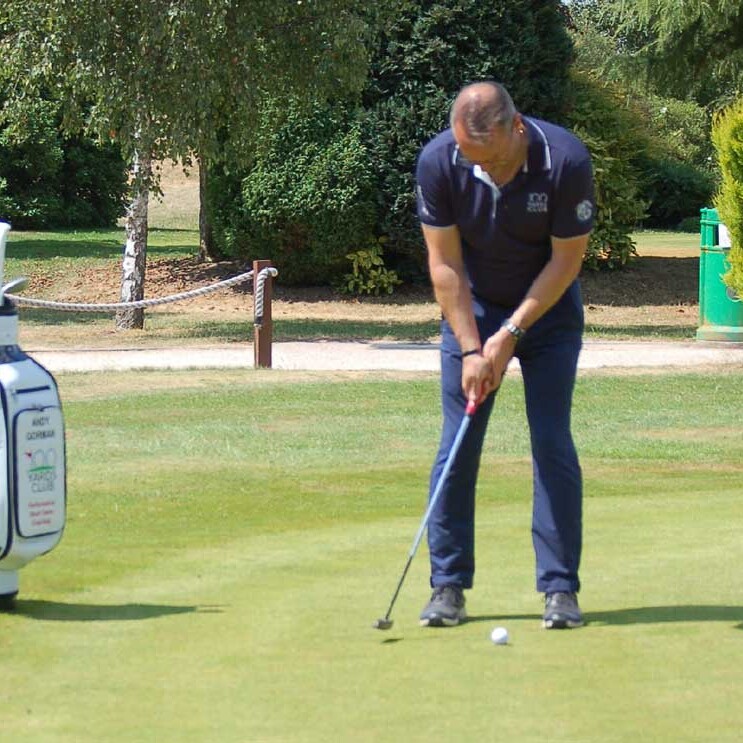
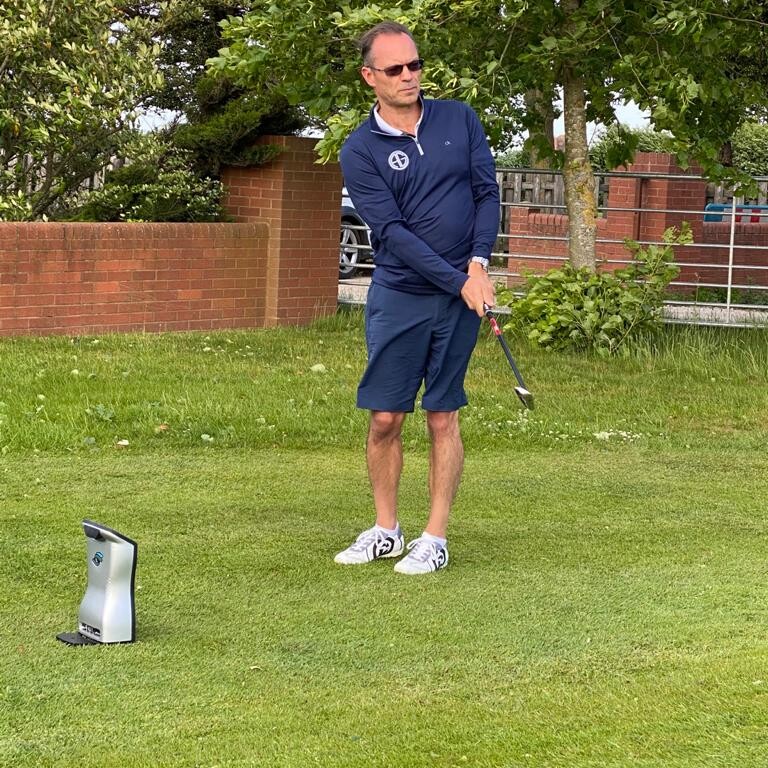
The short game is where scores are made or broken. While driving distance is impressive, it’s the finesse shots near the green that truly determine a player’s score. Precision in chipping and putting can turn potential bogeys into pars or even birdies, making a substantial difference in your final score.
2. Consistency Reigns Supreme:
Unlike the full swing, where minor errors can be somewhat compensated for by sheer power, the short game demands consistency. Every chip, pitch, and putt require a delicate touch and precise execution. Consistently making those critical shots under pressure is what separates champions from contenders.
3. Saving Strokes:
Golf is as much about minimizing mistakes as it is about making great shots. A strong short game enables golfers to recover from errant shots and miss hits and salvage pars or even save bogeys from turning into double bogeys or worse. Knowing how to navigate hazards, control spin, and judge distance with finesse is invaluable in avoiding unnecessary strokes.
4. Mental Toughness and Confidence:
The short game tests a golfer’s mental fortitude like no other aspect of the game. Successfully sinking a crucial putt or executing a delicate chip shot requires not only technical skill but also unwavering confidence and focus. Mastering these shots breeds confidence, which can positively impact all aspects of a player’s game.
5. Equalizer on the Course:
The short game can level the playing field, allowing players with less power off the tee to compete with longer hitters. A player with a strong short game can outperform opponents who may have superior distance but lack finesse around the green. In golf, it’s not always about how far you hit it but how well you can get it in the hole.
6. Lifetime Skill Development:
While physical attributes such as strength and flexibility may decline with age, the finesse required for the short game can be honed and refined over a lifetime. Golfers of all ages and abilities can continually improve their chipping, pitching, bunker and putting skills, ensuring that the short game remains a crucial aspect of their game for years to come.
In conclusion, the short game is the heartbeat of golf, its 65% of every round, whilst encompassing the finesse and precision that define the sport. Mastering this aspect of the game is essential for any golfer striving to reach their full potential and achieve success on the course. Whether you’re a beginner or a seasoned veteran, dedicating time to perfecting your chipping, pitching, bunker shots and putting will undoubtedly pay dividends in lower scores, winning and achieving a greater enjoyment of the game.